🐴
Understanding Equine Laminitis Symptoms and Care
Apr 22, 2025
RVC Equine Laminitis Facts and Research
What is Laminitis?
- A common, painful, and recurrent condition in horses, ponies, and donkeys.
- Affects tissues (laminae) binding the hoof wall to the pedal bone.
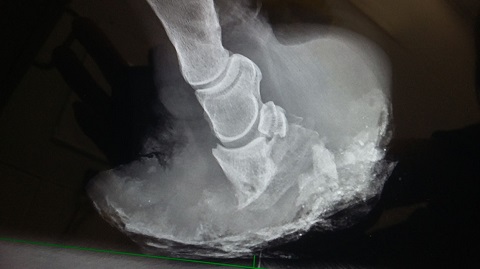
- Can cause the pedal bone to sink or rotate, potentially penetrating the sole in severe cases.
- Responsible for over 7% of equine deaths.
Causes of Equine Laminitis
-
Diseases with Inflammation
- Examples: Colic, diarrhea, retained placenta, severe pneumonia.
- Involves activation of inflammation throughout the body leading to lamellar inflammation.
-
Endocrine (Hormone) Disease
- Examples: Equine Cushings disease (PPID) and equine metabolic syndrome (EMS).
- Insulin plays a key role but sequence of events is unclear.
-
Mechanical Overload - Supporting Limb Laminitis (SLL)
- Result of excessive weight bearing due to fracture or infected joint in another leg.
- Inadequate blood supply to lamellar tissue.
Can a horse die from laminitis?
- Horses may not die directly but can be euthanized if prognosis is poor or treatment fails.
Can a farrier cause laminitis?
- Not documented, but lack of care can lead to stress and laminitis.
Clinical Signs of Equine Laminitis
- Lameness affecting at least two limbs.
- Leaning back onto heels.
- Worsened lameness on hard ground or turning.
- Shifting weight between feet while resting.
- Increased digital pulses.
- Pain at the frog point.
What to do if Laminitis is Suspected
- Call a vet immediately.
- Box rest the horse, provide a deep bed and fresh water.
- Feed a diet based on poor quality hay.
Diagnosis of Equine Laminitis
- Based on clinical signs.
- X-rays to check pedal bone position.
- Blood tests for underlying endocrine diseases.
Treatment of Equine Laminitis
- A medical emergency requiring urgent vet attention.
- Medicines: NSAIDs (e.g., phenylbutazone, flunixin), opiates (e.g., morphine).
- Foot Support: Deep bed, frog supports, or sole combined supports.
- Box Rest and Dietary Changes: Poor quality hay, no concentrates.
- Treat underlying conditions, e.g., PPID with pergolide.
Feeding a Horse with Laminitis
- Poor quality hay at 1.5% of body weight.
- Soaked hay to reduce carbohydrates.
- Avoid cereal-based concentrates.
Recovery and Management
- Recovery takes weeks to months.
- Once affected, horses are at risk of future episodes.
Prevention of Laminitis
- Inflammation/Sepsis: Prompt treatment and cooling the feet.
- Endocrine Disorders: Treat underlying conditions, reduce carbohydrate intake.
- Mechanical Overload: Use of supports in high-risk animals.
Key Points
- Laminitis is debilitating with various underlying causes.
- Quick veterinary assessment and treatment are crucial.
- Pain control and dietary adjustments are critical.
- Management changes can minimize recurrence risk.