🦠
Eukaryotic vs Prokaryotic Cells Overview
Mar 2, 2025
Eukaryotes & Prokaryotes | AQA GCSE Biology Revision Notes & Diagram 2016
Introduction
- This lecture covers the basics of eukaryotic and prokaryotic cells, essential for AQA GCSE Biology.
- All cells share common features, essential components for their structure and function.
Cellular Components
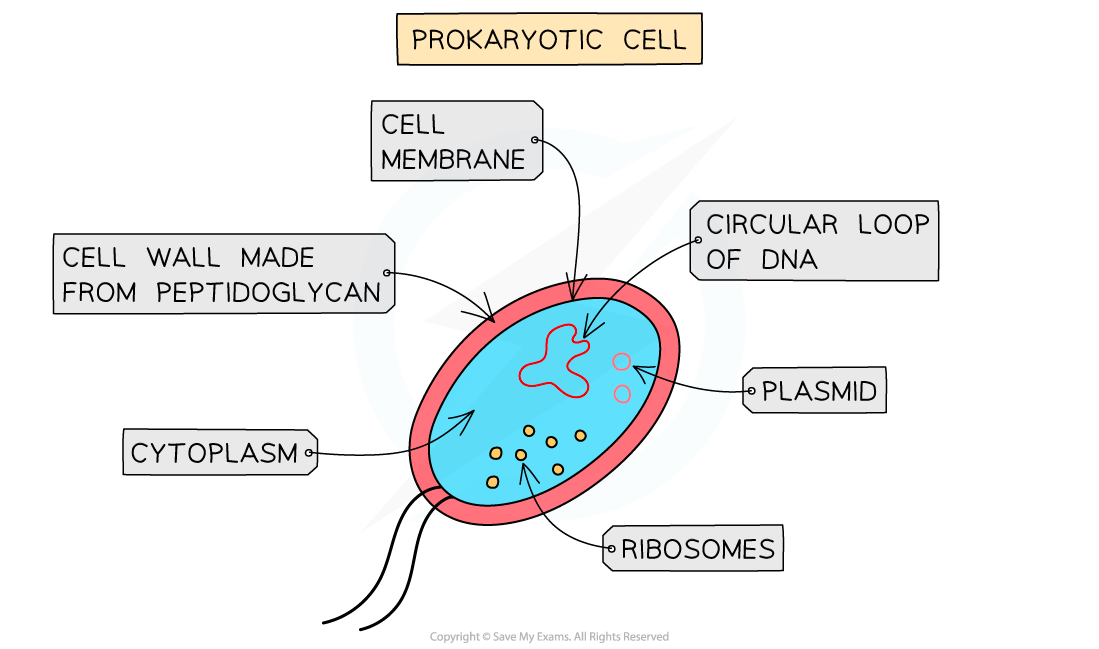
- Key Components: All cells have essential components including the cell membrane, cytoplasm, and ribosomes.
Eukaryotic Cells
- Examples: Plant and animal cells.
- Characteristics:
- Genetic material enclosed within a nucleus.
- Contain cell membranes, cytoplasm, ribosomes, and other organelles.
- Size ranges from 10 to 100 micrometers (µm).

Prokaryotic Cells
- Examples: Bacteria.
- Characteristics:
- Genetic material not enclosed in a nucleus; found as a single DNA loop in the cytoplasm.
- May contain plasmids - small, circular DNA.
- Cell membranes surrounded by a cell wall made of peptidoglycan.
- Much smaller than eukaryotic cells, about 1 µm in size.
Scale & Size of Cells
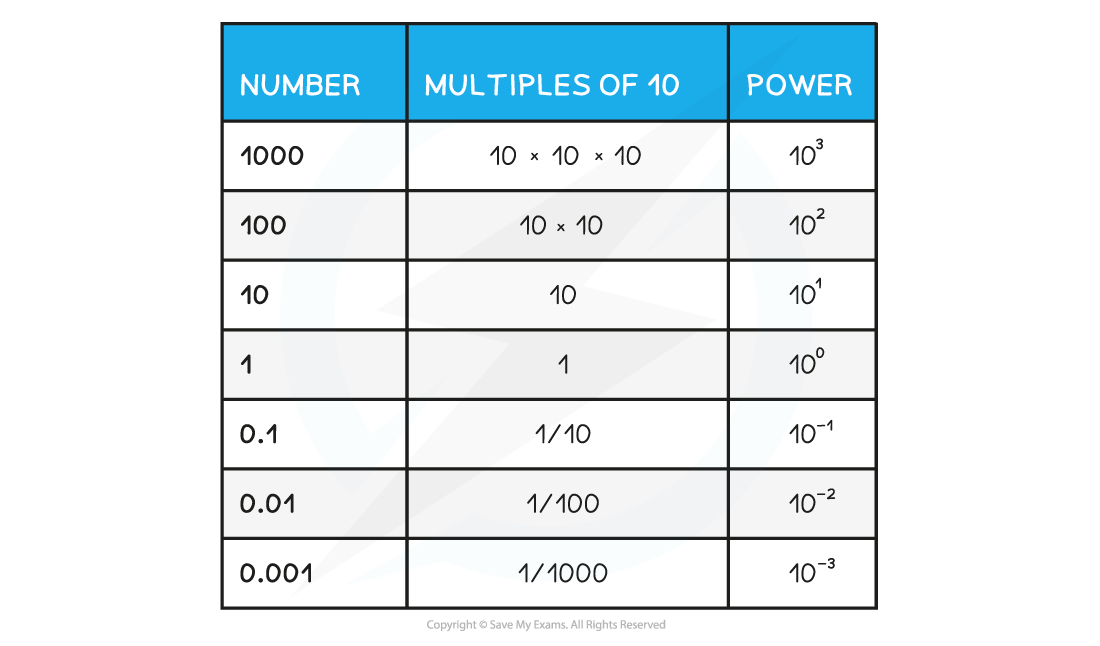
- Measurement: Cells measured in micrometers (µm), where 1 µm = 0.001 mm, or 1 x 10^-3 mm.
- Understanding Scale:
- Important to convert between units, particularly between mm and µm.
- Eukaryotic cells have subcellular structures as large as or larger than prokaryotic cells.
- Differences in size expressed as order of magnitude (factor of 10).
Standard Form in Biology
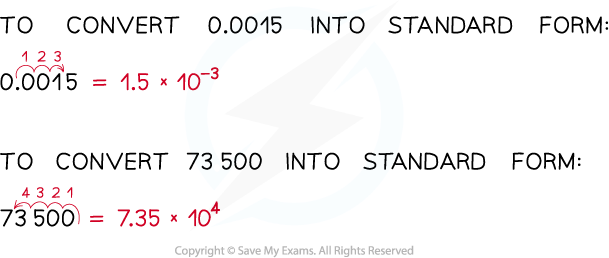
- Usage: For representing very small or large numbers, e.g., cell sizes.
- Example: 1.5 µm can be expressed as 1.5 x 10^-3 mm.
Examiner Tips
- Be familiar with calculating and converting sizes of subcellular structures.
- Understand why certain structures, like mitochondria, may not be present in bacterial cells.
Conclusion
- Understanding the differences between eukaryotic and prokaryotic cells is crucial for GCSE Biology.
- Mastering cell size measurement and standard form is essential for exam success.