📜
Hobbes' Views on Morality and Politics
May 1, 2025
Thomas Hobbes: Moral and Political Philosophy
Introduction
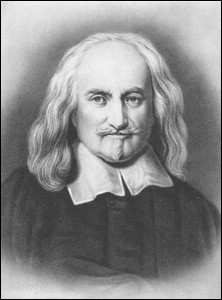
- Thomas Hobbes (1588-1679): An influential English philosopher known for his original political thought focusing on social and political order.
- State of Nature vs. Sovereign Authority: Hobbes believed in obedience to an unaccountable sovereign to avoid chaos akin to civil war.
- Human Motivation: Debate exists on whether Hobbes viewed humans as purely self-interested, though modern scholars suggest a more nuanced view.
Life and Times
- Background: Lived through significant political upheaval in England, such as the Civil Wars, which influenced his thinking.
- Career: Hobbes was deeply embedded in intellectual and noble circles due to his role as a tutor.
- Exile and Influence: His time in France and interactions with European intellectuals like Descartes enriched his perspectives.
Key Works
- Notable Works: "The Elements of Law" (1640), "De Cive" (1642), and "Leviathan" (1651) are central to understanding his philosophy.
- Influences: His works are marked by reactions against religious authority and a mechanistic view of science.
Ethics and Human Nature
Materialism vs. Self-Knowledge
- Mechanistic View of Humans: Describes human bodies as machines, though the scientific basis was weak.
- Self-Examination: Emphasizes understanding oneself to comprehend human nature better.
The Poverty of Human Judgment
- Skepticism about Human Judgment: Hobbes doubted human reasoning and stressed the need for science to guide moral understanding.
Motivation
- Complex Human Nature: While often seen as advocating self-interest, Hobbes recognized a range of human motivations, including altruism.
Political Philosophy
- Vulnerability and Authority: Hobbes viewed humans as needing authoritative governance to prevent the chaos of the state of nature.
The Natural Condition of Mankind
State of Nature
- No Natural Authority: Argues that without government, humans live in a state of constant conflict and insecurity.
- Social Contract: People should theoretically agree to surrender rights in exchange for security.
Why Obey the Sovereign?
- Moral and Practical Reasons: Despite challenges, Hobbes argues for obedience to prevent the return to a state of nature.
Life Under the Sovereign
- Rule of Law: Emphasizes that laws maintain freedom and order under a sovereign's rule.
Conclusion
- Critiques and Modern Relevance: Though Hobbes’ solutions are seen as limited, his focus on order remains relevant.
- Challenges of Power and Judgment: Modern political thought continues to grapple with balancing authority and liberty.
References and Further Reading
- Sorrell, Tom. "Hobbes" and "The Cambridge Companion to Hobbes."
- Hobbes, Thomas. "Leviathan" and other key works provide critical insights into his philosophy.