📜
Understanding Slavery in Antebellum Georgia
Mar 25, 2025
Slavery in Antebellum Georgia
Colonial and Revolutionary Era
- Georgia Trustees initially banned slavery in the 1730s to avoid a plantation economy.
- By the American Revolution (1775-83), slavery was legal, with enslaved Africans constituting nearly half of Georgia's population.
- Georgia delegates, during the drafting of the Declaration of Independence and the U.S. Constitution, ensured protections for slavery.
Cotton and the Growth of Slavery
- Eighteenth-century economy dominated by rice; cotton became significant post-Revolution.
- Eli Whitney's invention of the cotton gin in 1793 revolutionized cotton processing.
- Expansion of cotton plantations led to a dramatic increase in the enslaved population.
- Despite the ban on importing Africans in 1808, the enslaved population continued to grow through natural increase and movement from other states.
- By 1860, enslaved people made up 44% of Georgia's population.
Slaveholders in Georgia
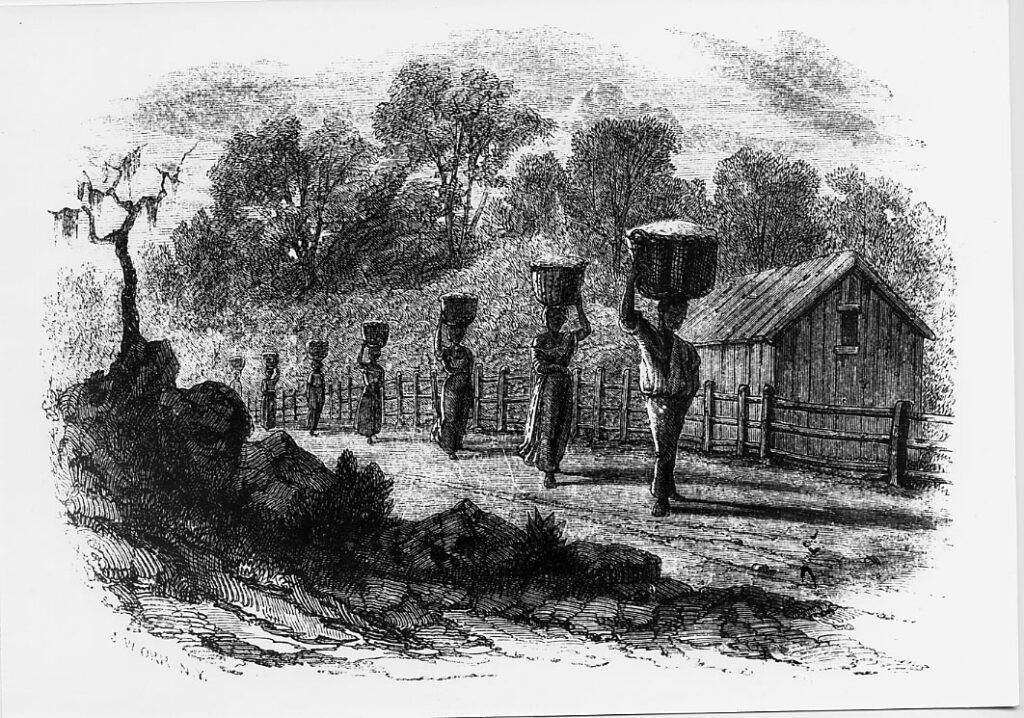
- Less than one-third of Georgia's white males owned slaves; only a fraction owned more than 20.
- Slaveholders, though a minority, held significant economic and political power.
- Political system dominated by slaveholders, who often swayed nonslaveholding whites.
Legal Framework and Punishment
- Legal system denied rights to African Americans and reinforced slavery.
- Stringent laws against abolitionist materials and education for the enslaved.
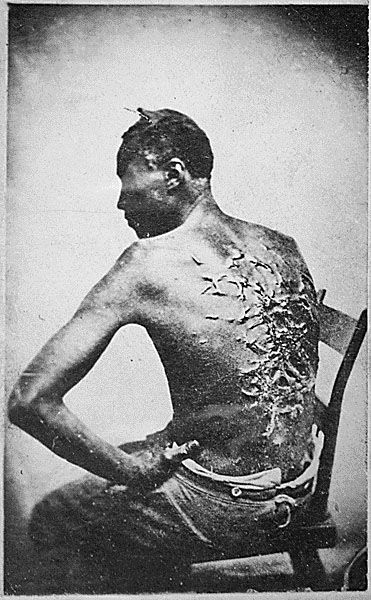
- Punishments were often severe, including physical abuse and family separation.
Cultural and Religious Justifications
- Slavery rationalized as beneficial and morally justified by white Georgians.
- Religion used to propagate the belief in slavery as a morally upright institution.
Life for the Enslaved
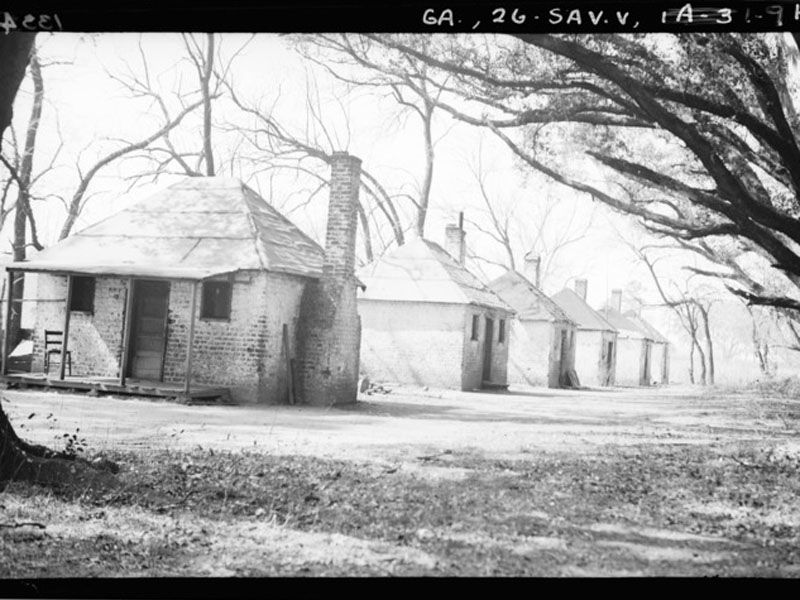
- Enslaved people experienced varied conditions depending on location and owners.
- Many lived in communities that helped mitigate the hardships of enslavement.
- Family, religion, and small economic activities provided some autonomy.
- Resistance included escapes, destruction of property, and inefficient work.
Secession, Civil War, and Emancipation
- Fear of abolitionists led to Georgia's secession in 1861.
- Ironically, secession and the Civil War led to the end of slavery.
- Sherman's March to the Sea in 1864 marked the collapse of the plantation system.
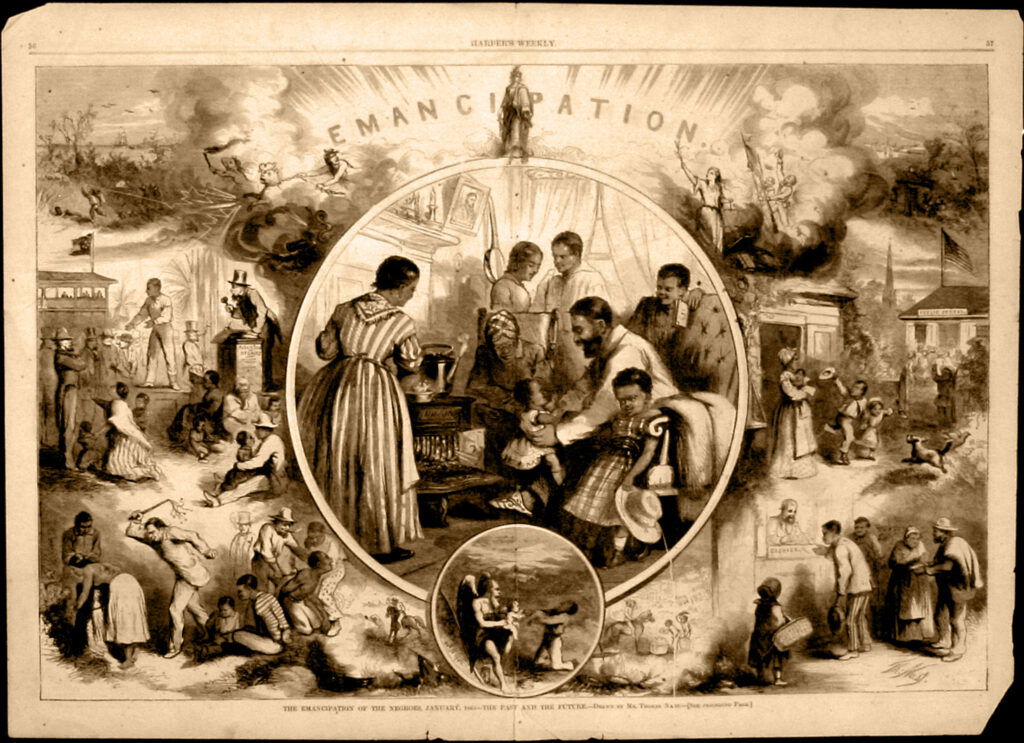
- Post-war, former slaveholders lamented their losses, while freedpeople celebrated emancipation.